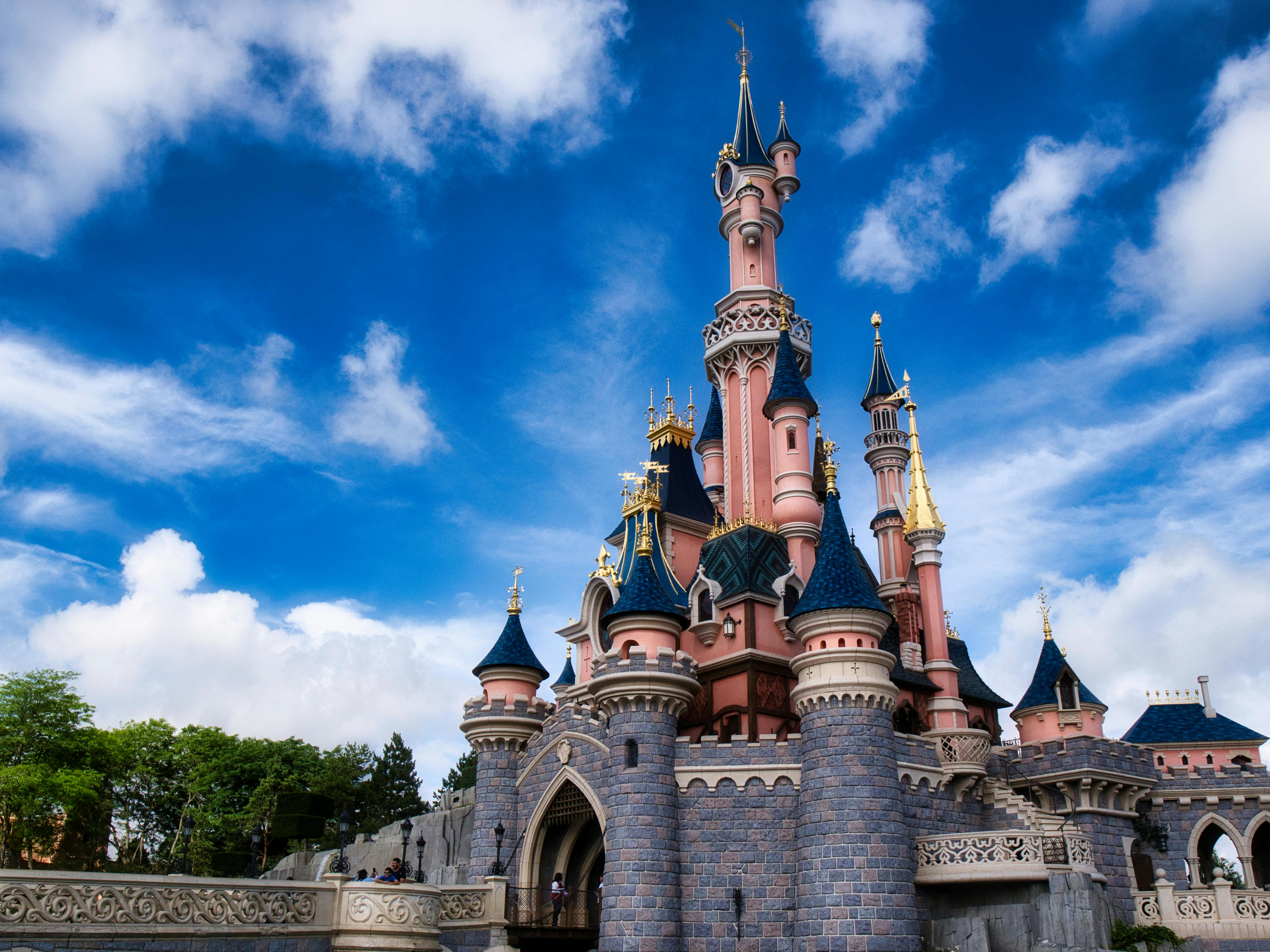
“Getting there, then, is not half the fun: it’s all the fun. At Disneyland one is constantly poised in a condition that is becoming, always someplace that is “like” someplace else. The simulation’s referent is ever elsewhere; the authenticity of the substitution always depends on the knowledge, however faded, of some absent genuine. Disneyland is in perpetual shadow, propelling its visitors to an unvisitable past or future, or to some (inconvenient) geography. The whole system is validated, though, by the fact that one has literally traveled, one has, after all, chosen to go to Disneyland in lieu of any of the actual geographies represented. One has gone nowhere in spite of the equivalent ease of going somewhere. One has preferred the simulation to the reality. For millions of visitors, Disneyland is just like the world, only better,” (Sorkin 216).
In the above paragraph from Michael Sorkin’s “See You in Disneyland”, he expresses the idea that Disneyland merely mimics a real destination, yet it is in fact a physical location that requires travel and planning to reach. The choice to visit Disneyland is a choice for the surreal.
Rather than going to a location where a single culture can be absorbed, Disneyland’s existence of many “worlds” pitches the idea that it’s a place of broad access. This creates the sense of expansion of one’s horizons in one convenient trip. The issue is that Disney doesn’t have the heritage to properly support this. Disneyland is not the place of origin for Cajun food, yet Cajun inspired food is served at their Blue Bayou Restaurant. Nor is it the place of origin for Día de los Muertos celebrations, but around November 1st festivities inspired by the holiday can be found at Frontierland. These and other specific cultural attractions can be found in their imitated form at Disneyland, where it’s only not called appropriation because of the media Disney made that represented those cultures first, so now, it’s a nod to those movies. This represents a distant understanding that Sorkin explains in the sentence, “The simulation’s referent is ever elsewhere; the authenticity of the substitution always depends on the knowledge, however faded, of some absent genuine,” (Sorkin 216). With the attractions being the "substitution", the faded knowledge that is referenced are the films on which the attractions are based. The films don’t lack complete authenticity, considering Disney-Pixar’s 2017 movie Coco, the film gives a good explanation of the values and practices that take place on Día de los Muertos. However, the movie is fictional and must maintain its entertainment value, so aspects of the film and attraction are fabricated or embellished for the purpose of enjoyment. For example, in the Plaza de la Familia, Disneyland is attempting to be more like Mexico while applying fictitious elements displayed in the movie, showing that it’s “always someplace that is ‘like’ someplace else,” (Sorkin 216).
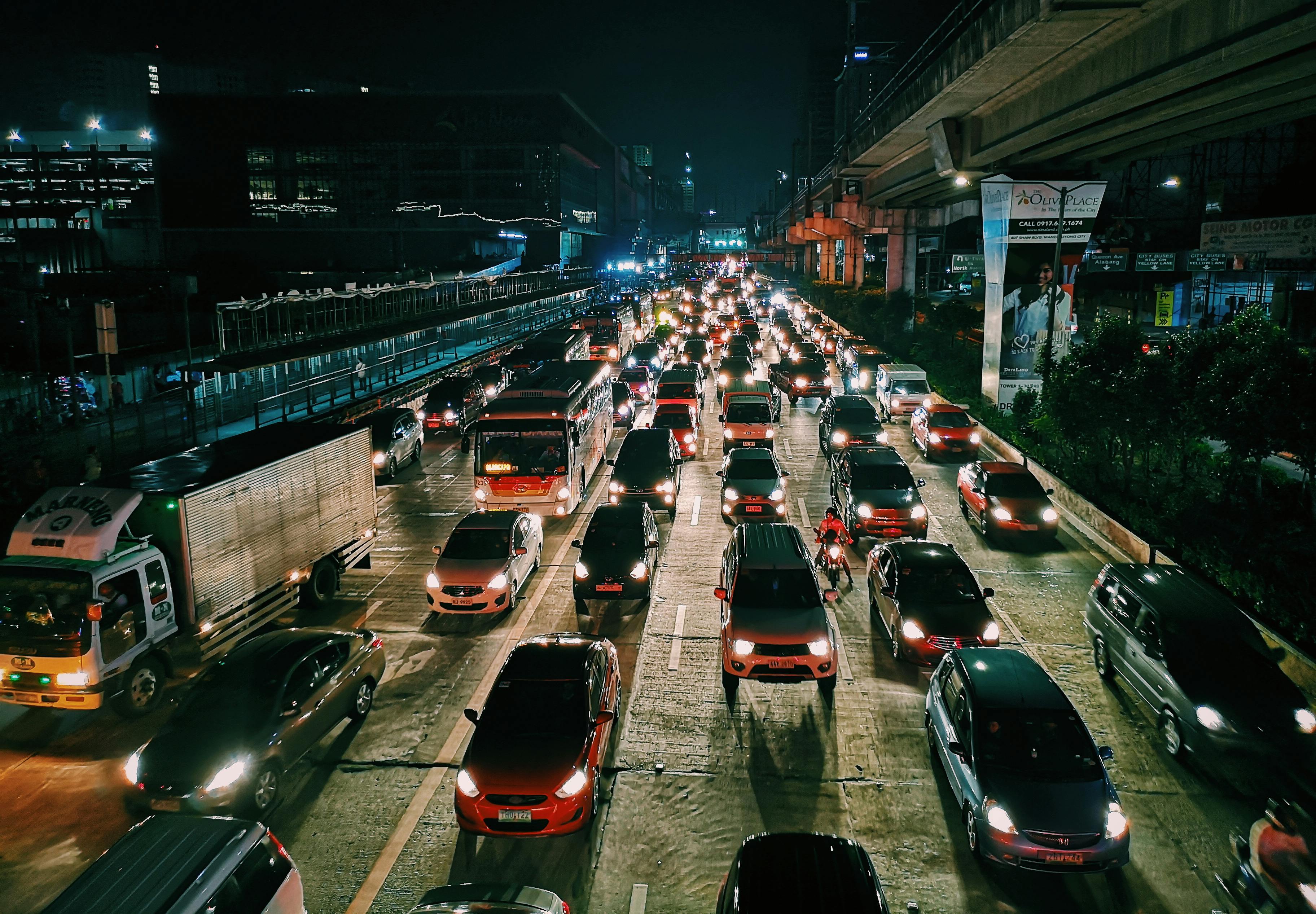
Sorkin suggests that in spite of a lack of genuinity, the travel to and at Disneyland is very much genuine. To get there requires a means of transport, such as cars or planes. These both require extensive spending. Whether buying a plane ticket or gas, there is money spent on the travel to go “nowhere in spite of the equivalent ease of going somewhere,” (Sorkin 216). By building a theme park that is only accessible through roads and highways aids the idea that travel is achieved. Once there, however, one’s transportation is their feet. The over-crowding of exhibits in a walkable area gives the visitors an experience that blurs their perception to believe that travel has happened, that they are not in a corporation’s conceptual land. The walking is broken up by the rides that exist that start and end at the same location, perpetuating going “nowhere”. Thinking of the rides as transportation agrees with Sorkin’s idea that the travel to Disneyland is itself a form of ride. “Getting there, then, is not half the fun: it’s all the fun,” (Sorkin 216).
Sorkin’s criticisms of Disneyland seem to possess the “too good to be true” line of thinking, and since it is true, as in really existing, he instead points out how it’s not good. This leads the reader to evaluate how a trip to such a place is an improper use of vacation: why decide to have a simulated experience over a real one.